Tuesday, 25 August 2020

Why is HHS blocking FDA from regulating some diagnostics, and how will this affect COVID-19 testing?

By Lisa Larrimore Ouellette, Nicholson Price, Rachel Sachs, and Jacob S. Sherkow

This week’s FDA news has been dominated by the tumultuous emergency authorization of convalescent plasma on Sunday, but let’s not forget last week’s news: On August 16, the Department of Health and Human Services (HHS) surprised public health experts by publishing a one-paragraph notice on its website rescinding FDA guidance related to laboratory developed tests (LDTs). The notice states that the FDA will not require premarket review of LDTs absent notice-and-comment rulemaking, including for COVID-19 tests. LDTs are tests “designed, manufactured and used within a single laboratory,” such as tests run by large academic medical centers, hospitals like the Mayo Clinic, and testing giants LabCorp and Quest Diagnostics. Former HHS national coordinator for health information technology Farzad Mostashari described this change as “bizarre” and like “[c]losing the barn door 6 months after the horse left the barn, and 3 months after she moved to a different barn!” What’s going on, and how will this change affect COVID-19 testing?

How were LDTs regulated before this announcement?

As we explained in April, LDTs have been regulated by multiple agencies under a messy patchwork of laws and regulations, and interagency coordination problems slowed the rollout of COVID-19 testing. When the FDA acquired the authority to regulate medical devices under the 1976 Medical Device Amendments, it promptly decided that it would exercise enforcement discretion—i.e., not enforce its typical regulatory requirements—for LDTs. It has maintained this posture ever since, though with some waffling: In 2014, the agency decided LDTs had gotten complex enough that it proposed regulating them more; after pushback and the change of administrations, the agency backed off in 2017.

Some oversight still occurred. Sometimes the FDA found ways to enforce its requirements against egregious examples; while 23andMe’s direct-to-consumer genetic testing service was an LDT in that all services happened at one lab, the FDA threatened to yank that test off the market based on a conclusion that the saliva collection tubes mailed to consumers were themselves medical devices. And under the 1988 Clinical Laboratory Improvement Amendments (CLIA), most laboratories conducting LDTs need a certificate of compliance or accreditation every two years from the Centers for Medicare and Medicaid Services (CMS). (Laboratories in New York and Washington state are exempt because these states maintain their own certification programs that are at least as stringent as CLIA’s requirements.) But the FDA typically took a hands-off approach. 

For COVID-19, after HHS declared that the public health emergency justified the use of emergency use authorizations (EUAs) on February 4, the FDA initially said that diagnostic LDTs needed an EUA. This created a Catch-22, as former FDA Commissioner Scott Gottlieb put it; rapid development of COVID-19 tests was needed in the emergency, but the emergency-based EUA requirement slowed them down. Shortages ensued. On February 29, the FDA changed its policy again (in this guidance, which has since been updated), allowing the use of RT-PCR LDTs to determine COVID-19 infection while developers awaited an EUA. Nevertheless, the agency retained the ability to revoke EUAs if a particular LDT turned out to be problematic. For antibody tests to identify past infection, the FDA took the opposite approach. Initially, it allowed anyone to offer tests without going through the agency, but on May 4 it began requiring EUAs—some of which have since been revoked. As the FDA’s website stated, there were important reasons for requiring LDTs to obtain EUAs during this crisis, as these tests have “serious implications … for analyses of disease progression and public health decision-making.”

How does the new notice change regulation of existing LDTs for COVID-19?

HHS’s notice strips (or, if you prefer, narrowly interprets) the FDA’s authority to regulate LDTs. The notice—thus far, only a “brief missive” on its website—states that the FDA “will not require premarket review of [LDTs] absent notice-and-comment rulemaking, as opposed to through guidance documents, compliance manuals, website statements, or other informal issuances.” Given that the FDA has not engaged in notice-and-comment rulemaking for LDTs, and assuming HHS’s statement has legal authority, the notice has the effect of essentially removing a large swath of LDTs from the FDA’s premarketing purview. 

This does not mean that LDT developers are free as the wind; as noted in HHS’s statement, LDT providers must still comply with CLIA, which includes requirements that laboratories set individual benchmarks for the analytic validity of their tests, known in CLIA parlance as “performance specifications.” But CLIA only addresses tests’ analytic validity—essentially, whether tests work as intended—not tests’ clinical validity—“the accuracy with which the test identifies, measures, or predicts the presence or absence of a clinical condition.” In the context of COVID-19, this means that every two years, CLIA will continue to ensure that laboratories are faithfully running their protocols—using the correct reagents, employing qualifying technicians, and so—but will do nothing to guarantee that the specific protocols employed by the laboratory are accurately diagnosing COVID-19.

The notice suggests that developers may voluntarily submit LDT premarketing materials to FDA: “[t]hose seeking approval or clearance of, or an emergency use authorization (‘EUA’) for an LDT may nonetheless voluntarily submit a premarket approval application, premarket notification or an EUA request, respectively, but are not required to do so, and FDA will adjudicate those submissions.” LDT marketers might engage in voluntary submissions to be eligible for PREP Act coverage (immunizing laboratories from liability related to distributing tests in a pandemic), or to help with reimbursement. The FDA might also retain some control on the back end: a recent Washington Post article noted that “the FDA will [continue] have the authority to take a bad test off the market.” But nothing in the notice, or the process it complicates, makes clear how the FDA, legally and mechanically, could do so.

Moving forward, this puts a number of tests in legal limbo. LDTs which have already received EUAs—35 thus far—seem to be unaffected by the announcement for now, although whether the FDA retains jurisdiction to “adjudicate those submissions,” per HHS’s notice, is unclear. The status of other tests—including those with EUA revocations or entirely new tests—is also uncertain. Because an EUA is presumably no longer needed to operate, HHS’s announcement allows entry into the market that, in other circumstances, would have previously been denied. This may similarly be applicable to the almost 200 laboratories, without authorization, that previously reported to the FDA that they validated their own COVID-19 test.

More broadly, HHS’s announcement presents a puzzle as to whether the legal distinction between LDTs and in vitro diagnostics (IVDs) is a salient one. By statute and regulation—that is, independent of HHS’s recent statement—the FDA retains the authority to regulate IVDs, “reagents, instruments, and systems intended for use in the diagnosis of disease or other conditions.” This text plainly includes LDTs. FDA’s enforcement over LDTs, however, has long been controversial, haphazard, and even constitutionally challenged—perhaps serving as one explanation for HHS’s announcement. Nonetheless, it remains to be seen whether the FDA nonetheless retains authority to oversee LDTs under its broader power to regulate IVDs. 

Why is this happening?

We don’t know for sure. But it’s important to at least talk about why it’s happening, because different motivations behind the action may have different implications going forward. 

One possibility is stated clearly at the beginning of the rescission notice: HHS is seeking to minimize “duplicative regulations and unnecessary policies” that are, in its view, impairing the fight against COVID-19. However, on this theory, the agency has not explained why rescinding existing LDT EUA regulation is helpful in fighting COVID-19. This explanation would be important, as it is also very possible that a lack of regulation might itself hamper the fight against COVID-19. The FDA has already seen this play out in the context of EUAs for COVID-19 antibody tests, where as we have explained, the agency’s initial decision not to require EUAs for those products resulted in a flood of inaccurate tests on the market, potentially jeopardizing public health.

A second possibility comes from news reporting on HHS’s decision. Anonymous administration officials told the Washington Post that the change “was made for legal reasons” because “FDA lacks the authority to regulate [LDTs].” Yet these arguments have been around for many years, predating the Trump Administration, and it is not clear why the administration would seek to implement such a view only now, in the middle of a pandemic. Further, if HHS’s view is that the FDA lacks the legal authority to regulate LDTs, it is not clear how these officials can also take the position that “the FDA will [continue] have the authority to take a bad test off the market.” If the FDA has no authority over LDTs, how could they take a bad test off the market? Further, the FDA would not even know that the bad test existed, as its manufacturer would no longer be required to notify the agency it was providing the test.

The lack of public explanation from HHS and the public silence from FDA Commissioner Stephen Hahn have raised a third possible explanation for several commentators: political issues. Professor Art Caplan argued that “HHS didn't have to pick this fight, and they're basically threatening FDA's science and independence.” The FDA’s independence is core to its ability to maintain the public trust, and will be needed if the agency and administration is to convince people that any vaccine eventually approved for COVID-19 is safe and effective. 

What effect will this change have on COVID-19 testing and policy going forward?

The rescission notice is likely to have at least two different impacts on COVID-19 testing going forward. First, it will very likely lead to new tests coming to market which would otherwise have been deterred by the EUA requirement, creating potential public health harms. As a former HHS senior official told POLITICO, the regulatory standard was already a “flexible and low bar” and the “tests likely to come to market under this policy are many of the ones that aren’t reliable and couldn’t get” EUAs at present. Dr. Gottlieb sounded a similar note of caution on Twitter, but the most succinct version of this argument came from Dr. Mostashari: “Regulatory oversight sucks, lack of regulatory oversight sucks more.” And if the FDA lacks the legal authority to regulate these products, it’s not clear how the agency could remove a bad test from the market.

Most challengingly, as noted above, the FDA will be deprived of the information it would need to even know that those bad tests were being marketed. Going forward, it does not seem that companies running LDTs without any FDA authorization need to inform the agency of anything at all. This is especially problematic not just to police the safety of laboratory tests but also because, in the words of Professor Rebecca Eisenberg, the FDA is in the business of “develop[ing] credible information about the effects” of drugs and devices. Without the reporting requirements that come with mandatory EUAs, the public—and other developers—will be left in the dark as to which tests work best and which, not at all. Although the rescission notice left open the possibility that the FDA could act through notice-and-comment rulemaking to exert jurisdiction over LDTs, it is not clear how the agency could do so if HHS believes that the FDA has no statutory authority in this area. Further, it is doubtful that the FDA could do so in the short term, to manage COVID-19-related LDTs. In general, notice-and-comment rulemaking is lengthy, expensive, and burdensome to agencies—tasks which an already-pressured agency could not easily add to its agenda. 

But second (and opposingly), the notice may make it easier for some labs to bring tests to market that otherwise would not have, or may make it easier to scale existing authorized tests (such as Yale’s new saliva test) to labs that have not themselves gone through the FDA’s process. At least some scientists have praised it along these lines. Professor Fyodor Urnov, at UC Berkeley, said the announcement had “simplifie[d] things moving forward and resolve[d] a substantial source of uncertainty that has lingered in the field for some time.” Some experts also note that the rescission notice relies on CLIA as a backstop, which may ensure a certain level of quality from the resulting tests.

Unfortunately, because the effect of the notice is to make it much more difficult for the FDA to observe these tests at all, it will be almost impossible to determine whether the balance of impacts is a good one. Further, the unexpected and unexplained way this change was implemented is particularly worrisome. In the middle of a pandemic, upsetting the expectations of firms that are attempting to address the crisis is not the basis of sound policymaking.

This post is part of a series on COVID-19 innovation law and policy. Author order is rotated with each post.

Labels: ,

Friday, 10 July 2020

How will the FDA’s new COVID-19 vaccine guidance affect development efforts?


Policymakers are expectantly awaiting the development of a COVID-19 vaccine, which they view as critical to future management of the pandemic. A number of pharmaceutical companies have jumped into the vaccine race, moving at record speed, with several vaccines already about to enter Phase III trials. Last week, the Food and Drug Administration (FDA) released a guidance document on the development of new vaccines for COVID-19. In this post, we review the FDA’s new guidance, consider the ways in which the FDA must attempt to balance risk and access in this context, and address the critical question of patient access to future approved vaccines.

What does the FDA’s COVID-19 vaccine guidance do?

The FDA’s June 30 guidance broadly details the agency’s requirements for clinical trials of COVID-19 vaccines. These include considerations for trials’ designs and subject populations, measures of efficacy, statistical considerations, and safety thresholds, among other requirements. Notably, the guidance is the first from the FDA to establish such measures for a COVID-19 vaccine specifically. Besides providing vaccine developers, well, guidance for vaccine development, guidances issued early in the development process also bind the FDA to its own evidentiary mast against the siren song of political pressure. (In this way, guidances, too, can serve as an instrument in augmenting public trust.) 

The guidance clearly specifies current areas of scientific uncertainty and expresses what evidence the agency is looking for and how to obtain it. For example, the guidance admits that “[u]nderstanding of SARS-CoV-2 immunology, and specifically vaccine immune responses that might predict protection against COVID-19, is currently limited and evolving”—and, as a consequence, the goal of COVID-19 vaccine trials is not necessarily to demonstrate immunogenicity but “efficacy in protecting humans from SARS-CoV-2 infection and/or disease.” 

More specifically, the June 30 guidance notes a preference for vaccine trials with a 1:1 randomization of vaccine candidate:placebo, rather than trials investigating multiple different treatment arms. It also encourages following up with study participants for “at least” one or two years to determine the length of protection provided by the vaccine as well as to watch for potential adverse events. And the guidance suggests using a lab-confirmed SARS-CoV-2 infection as a trial’s primary endpoint, with incidences of severe COVID-19 as at least a secondary endpoint. The guidance also acknowledges the racial disparity in COVID-19 outcomes by “strongly encouraging” enrolling racial and ethnic minorities in any vaccine clinical trials. Developing a vaccine that is less effective when administered to Black patients, for example, would only exacerbate differential COVID-19 outcomes and contribute to health inequities.

More controversially, however, the guidance pegs studies’ primary efficacy endpoint at “at least 50%”—a far cry from the 90%+ efficacy for vaccines against polio or HPV. This means, of course, that at least some vaccinated individuals (including high-risk individuals) would become infected. At the same time, an efficacy endpoint of 50% is not unheard of for vaccine development, and is used routinely for seasonal influenza vaccines. In cases like the flu, the goal is not necessarily to inoculate everyone, but to flatten the curve enough (i.e., to bring down R0) so that transmission is effectively halted. Mandating a coronavirus vaccine to demonstrate 90%+ efficacy while the pandemic rages would be allowing the perfect to be the enemy of the good.

For now, Moderna, a vaccine developer relatively far along in the approval process, has delayed part of its trial, seemingly to conform to the guidance. Moderna’s technology—an RNA-based vaccine approach—is novel and has its fair share of skeptics. But the guidance, like all good guidances, has the salutary effect of committing the FDA and developers to a common set of principles and evidence to the usher development of important therapeutics.

How does the FDA use its information-forcing powers to balance risk and access in the COVID-19 vaccine context?

The FDA doesn’t just regulate to ensure that new products are safe and effective; a key part of its role is to require and shape the production of costly information about the products it regulates. Professor Rebecca Eisenberg has argued persuasively that the FDA is an innovation agency, not just a consumer protection agency, and this information-forcing role is central to that purpose. It is difficult and expensive to generate information about health-care innovations, whether therapeutic drugs, medical devices, or vaccines. In the face of manufacturers’ incentives to underproduce this information, the FDA steps in to require a certain amount before it will allow products to be marketed. The amount of information required is debatable—as we have previously discussed, requiring more information decreases the risk of the FDA making a mistake during the approval process but delays patients’ access. This role is particularly important in a pandemic, where urgency colors every new biomedical development but high quality information is still needed, not least because errors can be particularly costly in terms of both medical outcomes and public trust

The guidance’s specific requirements (e.g., 1:1 vaccine:placebo, 1-2 year follow-up, specified endpoints) are an effort to ensure that the information generated about a vaccine is robust enough to merit approval and the likely widespread use that will follow. Ideally, as multiple candidates are taken through clinical trials, developers will learn more about the virus and more about effective development efforts. The FDA may require more and better information to approve later vaccines, both because firms (and the FDA) have more experience, but also because once the first vaccine is on the market, the need for a second vaccine is not quite as desperate. That said, the FDA has suggested that accelerated approval—a faster and easier approval pathway—may be more likely later after more is known about how the virus works. More vaccines will still be needed, but the agency can afford to be slightly pickier with each approved vaccine, and correspondingly to demand better evidence of efficacy and safety (for instance, once an approved vaccine exists, non-inferiority trials for later vaccines would look for an efficacy within 10%).

One crucial step the FDA could take to improve the information produced in vaccine trials would be to facilitate the sharing of information about failures in vaccine development. In the ordinary course of drug development, failures are minimally shared, as knowledge of dead ends not to follow is considered valuable confidential business information. Keeping failures secret in the COVID-19 vaccine development efforts would be a terrible waste, particularly as the clinical landscape is already littered with inefficiency and duplication. The European Medicines Agency already exercises a similar authority more generally.

The FDA’s role of ensuring that developers generate high quality information about safety and efficacy is in some tension with another prominent government initiative: Operation Warp Speed. Operation Warp Speed is an effort to speed the development of therapeutics and vaccines as much as possible, but part of that effort means that the government (particularly BARDA, the Biomedical Advanced Research and Development Authority) will be picking winners and supporting particular candidates—long before they have the sort of information the FDA is looking for. The FDA is correspondingly emphasizing its independence from other efforts; the information required to approve a vaccine seemingly does not change based on the mechanics of Operation Warp Speed or other government efforts. Nevertheless, and with good reason, the firms operating under Operation Warp Speed will be using the FDA’s guidance to shape their development efforts.

If the FDA approves a COVID-19 vaccine, how will the United States pay for it?

The FDA’s rigorous requirements and stated reluctance to issue a vaccine EUA have been described as throwing cold water on the goal of having a COVID-19 vaccine in 2020. Experts suggest that even summer 2021 is an aggressive goal, requiring tremendous duplicative spending and a lot of luck. But while an effective COVID-19 vaccine remains aspirational, politicians, patient advocates, and pharmaceutical innovation experts have been worrying about vaccine cost since the early stages of the pandemic. We think it would be helpful if these discussions distinguished between affordability—the out-of-pocket costs to patients that can pose barriers to access—and the separate question of overall financial incentive for developers, recognizing that pharmaceutical profits and public health are not incompatible.

Any FDA-approved vaccine will likely be free for Americans who want it. The push for adoption of U.S. vaccines typically comes from the CDC’s Advisory Committee on Immunization Practices (ACIP), which formed a COVID-19 work group in April to create an independent framework for assessing vaccines and to review early clinical trial data. The Affordable Care Act requires insurers to cover ACIP-recommended vaccines with no cost-sharing (at least as long as it is not overturned). As we have previously discussed, HHS has also used CARES Act funding to create a COVID-19 Uninsured Program Portal, which will cover any FDA-approved vaccine for uninsured Americans, when available. The Trump administration stated in June that any COVID-19 vaccine will be free for “any American who is vulnerable, who cannot afford the vaccines.” It seems likely to us that Congress will allocate additional funding for vaccine coverage if necessary, including to ensure that patients are not billed for the health care provider’s administration of the vaccine (in addition to the product itself).

But free at the point of sale to patients need not—and should not—mean free to the U.S. government. Vaccine development is tremendously expensive, requiring customized manufacturing facilities that usually take many years to build. Having any chance of meeting 12-to-18-month development timelines requires building these factories now for promising candidates, with recognition that most will have to be abandoned as unrecoverable sunk costs when clinical trials do not pan out. Vaccines are also less profitable than repeat-use treatments, and political pressure often pushes profits even lower. But vaccines can have huge positive externalities for society beyond the benefits provided to individual vaccinated patients—as illustrated by the enormous daily costs of COVID-19 that an effective vaccine would eliminate.

The conventional solution for this kind of market failure in innovation policy is to supplement market rewards with public funding—and the federal government is indeed putting substantial sums into COVID-19 vaccine development. A $1.6 billion contract with Novavax was announced Tuesday, following pledges of “up to $1.2 billion” to AstraZeneca and about $1 billion more divided among Moderna, Johnson & Johnson, Merck, and Sanofi. Some commentators have pointed to this funding as justification for compulsory licenses or price caps on successful vaccines. But the goal of this funding is to correct for market rewards that are insufficient to motivate companies to build facilities at-risk, before a vaccine candidate's efficacy is known; decreasing market-based incentives would subvert this goal and exacerbate this market distortion. Total public funding for COVID-19 vaccine development so far is less than the daily social cost of the pandemic in the United States alone. If this funding speeds vaccine development even slightly, it will have been worth it.

Indeed, in addition to laying out guidance for the standards that will be used for vaccine approval, the federal government should consider committing now to reimbursement rates for an approved vaccine, akin to what it has done for advanced COVID-19 diagnostic testing technologies. As multiple scholars have noted, an effective COVID-19 vaccine is the kind of technological problem that lends itself well to an innovation challenge prize known as an advance market commitment (AMC), in which the government commits to paying a certain amount per vaccinated person, under certain assumptions about the vaccine’s effectiveness that align with the FDA’s guidance. Even though an entirely new prize system isn’t politically likely, wide-scale government purchasing can replicate most of the benefits of market-based prize systems like AMCs. Committing to a profitable reimbursement rate could provide additional motivation to get working COVID-19 vaccines into Americans’ arms more quickly.

The legal and policy issues arising in the context of vaccines for COVID-19 are not entirely unique to the vaccine context. The federal government has already faced questions around the FDA’s approval standards, regulating in the face of uncertainty, and ensuring access to other new healthcare technologies for COVID-19, such as drugs and diagnostics. But the particular facts underlying the development of new vaccines counsel in favor of solutions to this problem that differ from those the federal government has already considered. Now, several months into COVID-19’s spread into the United States, federal policymakers should work to ensure that plans specifically encouraging innovation into and access to vaccines are developed and implemented.

This post is part of a series on COVID-19 innovation law and policy. Author order is rotated with each post.

Labels: , , ,

Tuesday, 21 April 2020

Regulatory Responses to N95 Respirator Shortages

By Lisa Larrimore Ouellette, Nicholson Price, Rachel Sachs, and Jacob Sherkow

Our recent posts have highlighted shortages in three COVID-19-related knowledge goods: testing, drugs (such as those needed to put patients on ventilators), and clinical trial information about effective treatments. This week we focus on the role of legal regulators in another critical shortage: N95 respirators, one of the key forms of personal protective equipment (PPE) for healthcare workers. We explain how N95 regulation, like COVID-19 testing, presented an interagency coordination problem. The FDA has successfully removed key regulatory hurdles—though the problem should have been anticipated earlier, and much more needs to be done to ensure an adequate supply.

What are N95 respirators?

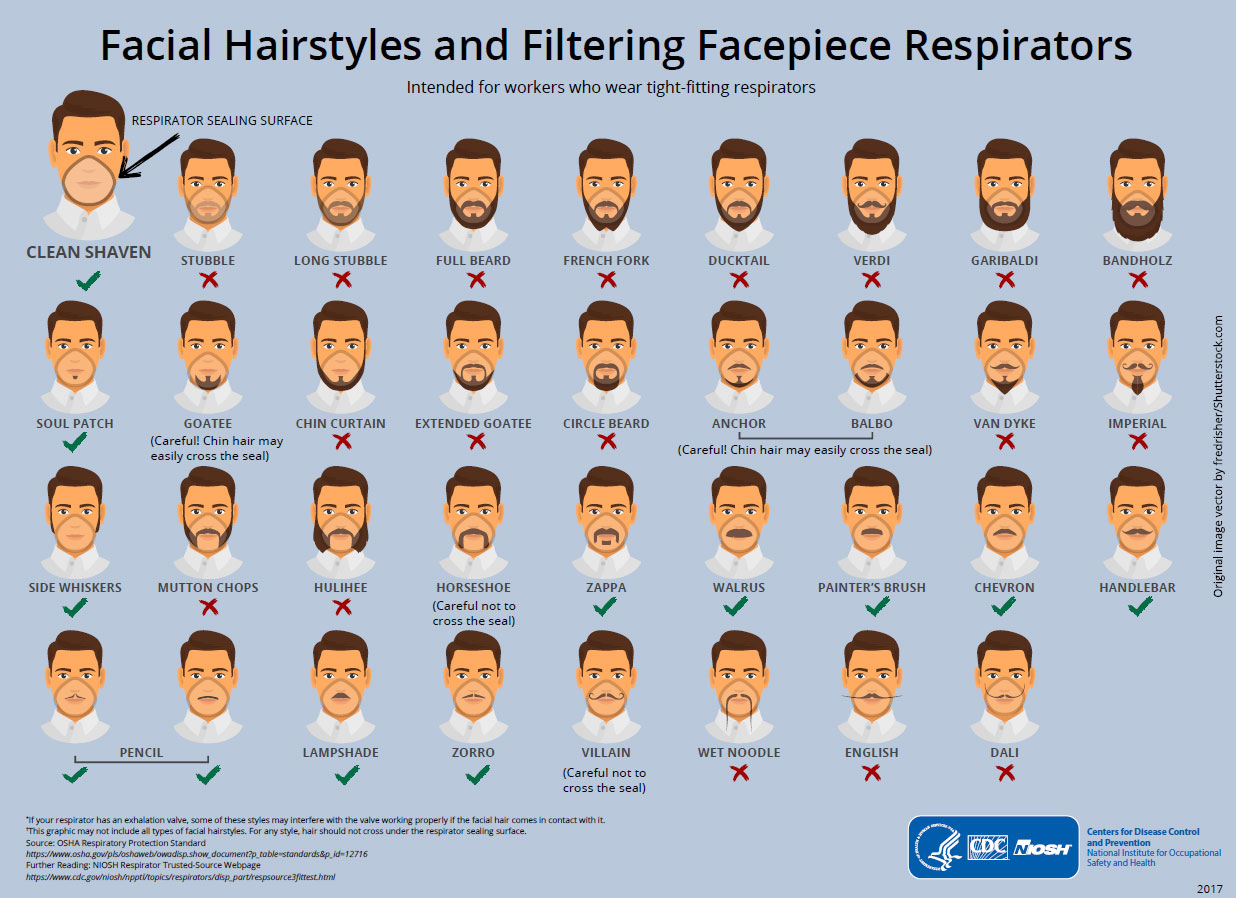
N95 respirators are a specialized subset of face masks (here’s a handy NY Times explainer with photos). A normal surgical mask (what you see, for example, in a typical medical TV show) fits fairly loosely around the face; it blocks splashes and relatively large droplets, but not tiny particles. An N95 respirator, on the other hand, is relatively rigid rather than being flexible, and is designed to fit closely to the face and create a tight seal—tightly enough that the masks don’t work with certain beards (or for children). The “95” in N95 refers to the requirement that the mask block at least 95% of 0.3 micron particles (about a thousandth the width of a human hair). Both types of masks are meant to be single-use.

N95 masks are meant to keep droplets that include the SARS-CoV-2 virus out. They’re not perfect, but if they’re well fitted, they are effective at protecting the wearer (most crucially right now, the healthcare providers who are caring for patients and are themselves still getting sick in droves). Surgical masks, on the other hand, do a worse job of keeping the virus out. Cloth masks even less so. But cloth masks can help keep droplets in—that is, if someone is sick, wearing a cloth mask may keep them from projecting droplets that can infect other people. The CDC now recommends that everyone wear a face mask when in public, to avoid infecting other people (because even asymptomatic individuals can infect others, and the lack of testing means it’s very hard for most people to know whether they have been infected). However, surgical masks and especially N95 masks are in very short supply, and should be reserved for medical professionals.

N95s were initially developed for industrial uses including mining. The key feature—and what makes N95s harder to manufacture than other masks—is that the masks are made using what’s called “melt-blown” fabric. A polymer (such as polystyrene, polyurethane, or nylon), is melted then blown through small nozzles; it forms a matrix of tiny fibers with many holes (think: cotton candy), which can capture particles. But the machines to make this fabric are complex and expensive, and manufacturers of the fabric are struggling—and failing—to meet demand.

Who regulates N95s?

N95s’ origin as industrial respirators helps explain the strange double regulation of the respirators. They’re principally regulated by the National Personal Protective Technology Laboratory, which is part of the National Institute for Occupational Safety and Health (NIOSH), which is part of the CDC. (As a side note, it’s interesting that although NIOSH is a National Institute studying health, it’s not part of the National Institutes of Health, and although it does research on occupational safety and health, it’s not part of the Occupational Safety and Health Administration. Such are the vagaries of federal bureaucracy.) However, while NIOSH regulates all N95 respirators, those intended for use in medical settings are also regulated by the FDA as medical devices. The two agencies started coordinating more closely on this in 2018 with a Memorandum of Understanding (MOU) between the agencies so that normal N95s used in construction and industrial jobs are evaluated by NIOSH and exempt from the FDA’s 510(k) premarket clearance process, and N95s for healthcare settings (including ones for a particular disease, or with antimicrobial function) go through 510(k).

All of this, of course, is domestic; N95 masks are regulated around the globe by different regulators in different countries, which set slightly different standards. 3M has a helpful comparison chart. Given that the basic product is the same, it is unfortunate in retrospect that the slightly different standards have led to a more fragmented supply chain; without regulatory action, for instance, N95 masks approved for use in South Korea were not automatically approved for use in the United States. Regulators, however, have been acting to reduce these barriers.

How have N95 regulators responded to COVID-19?

Regulating medical devices requires tradeoffs between risk and access. If regulation is too lax, users will face unwarranted safety risks. If regulation is too strict, access will be delayed and limited. In normal times, careful scrutiny of N95 masks may make sense to protect healthcare workers. But when the CDC suggests healthcare workers use bandanas and doctors are pleading for masks on social media, it is worth relaxing regulations that pose access barriers—particularly ones that reflect different policy choices by other countries without a strong evidence base to support one standard over another.

As we explained last week, to circumvent normal review processes during a public health emergency, the FDA can use Emergency Use Authorizations (EUAs), which it has done repeatedly to address PPE shortages caused by the pandemic. On March 2, the FDA granted the CDC's EUA request to allow healthcare personnel to use NIOSH-approved respirators—i.e., respirators typically used in construction and similar industrial jobs. On March 24, the agency issued another EUA allowing importation of non-NIOSH-approved respirators from Australia, Brazil, Europe, Japan, Korea, and Mexico. China’s KN95 respirators were excluded from this list due to concerns about “inauthentic product,” but on April 3, the FDA added them to the list.

The FDA can also lower regulatory burdens by exercising “enforcement discretion,” or choosing not to enforce certain regulations. The agency published an enforcement policy for respirators on March 25 and revised the policy April 2 indicating that it “does not intend to object to the distribution and use of face masks” that do not comply with specified regulatory requirements “where the face mask does not create an undue risk in light of the public health emergency.” The FDA and the CDC have also provided more general guidance on addressing the shortage.

In some ways, this is a story of regulators successfully removing barriers to access—but it is also a story of regulatory catch-up to a problem that shouldn’t have taken policymakers by surprise. By the end of January, N95s were out of stock in consumer stores, clinics were running low, and an Atlantic story titled “We Don’t Have Enough Masks” outlined the problem. Decreasing the fragmentation of N95 supply chains could have happened much sooner.

Who pays for N95s?

Removing the above-described regulatory hurdles can help lower the costs of companies seeking to bring more N95 masks to market. But companies can also be encouraged to increase the availability of N95 masks by the presence of a strong demand signal for the products. Yet payment for N95s (and PPE in general) is typically not directly charged to individual patients and their insurers, in ways that might attenuate the demand signal for PPE relative to those for drugs or devices (which can be billed for directly).

Typically, pre-COVID-19, hospitals or other organizations acting on behalf of providers would purchase PPE for use in their facilities, and that PPE would usually not be directly reimbursed. It would be factored into other hospital charges and not billed separately, at least for most major insurance programs. (There are a few exceptions here—for instance, for those insurers who still pay hospitals a percent of their charges, those hospitals can bill for PPE off of their chargemaster. Critical access hospitals are reimbursed on the basis of their costs, which might therefore include PPE as well.)

Now, amid the pandemic, many hospital systems continue to attempt to purchase their own PPE, but many states or cities are also seeking to centralize orders on behalf of their providers. This type of governmental involvement has a number of advantages. In the context of N95 shortages, as we currently observe, centralizing purchasing at the city or state level may enable purchasing entities to obtain better prices for these scarce products by purchasing larger quantities. Perhaps more importantly, these governmental entities are often able to access federal funds to support their purchase of PPE, having declared particular types of authorized emergencies due to the pandemic.

One problem with current efforts to procure PPE of all kinds, including N95 respirators, is the seemingly contradictory positions of the federal government. Trump Administration officials have frequently said that states must be in charge of their own acquisition of PPE, and attempted to deflect responsibility for a nationally coordinated strategy on that front. On its own, this has resulted in bidding wars between the states for PPE, which drives prices up even further (some of which the federal government then pays, as noted above). However, the federal government itself has often come in and either purchased PPE from under the states or has confiscated purchases from state governments. The federal government even seems to be interfering in health systems’ efforts to acquire PPE, as the chief physician executive of a health system in Massachusetts recently chronicled in the New England Journal of Medicine. These responses have further exacerbated the difficulties providers have in obtaining adequate PPE for their staff.

What other steps can policymakers take to address N95 shortages?

Broadly speaking, policymakers have three options to address the N95 shortage: make more masks; make better use of existing masks; and import masks.

Like procuring critical materials during wartime, the most robust authority for producing more N95s is the oft-discussed, much-confused Defense Production Act. Title I of the DPA, if invoked, would allow the President to order businesses to prioritize manufacturing N95s over other equipment. (There’s also Title III, which would allow the administration to offer loans and guarantees for private businesses to purchase respirators, although it’s unclear how that would immediately solve the manufacturing shortage.) Getting clearer numbers on the number of masks needed relative to what’s out there would enable the President to set manufacturing targets across a broad set of manufacturers without crippling their production of other important goods. Whether the President needs to formally invoke the DPA—or just threaten to do so—is unclear; there have been many manufacturers who have volunteered to retool their manufacturing plans to make masks. Nonetheless, it’s doubtful such volunteerism is enough to meet the overwhelming and ongoing demand for respirators.

Centralized coordination of production has another salutary benefit: it could also be used to smooth allocation of the masks among states, helping them avoid bidding wars and defensive stockpiling. In the absence of such coordination, states have been prey to price gouging from private vendors, selective sales, and even lawsuits. State attorneys general have responded in kind but—again—such skirmishes could be avoided with more centralized coordination of manufacturing.

Aside from making new masks, policy makers could focus on better ways to reuse old ones. In ideal circumstances, protective masks, including N95s, should not be reused, for obvious reasons. But today’s circumstances are leagues away from ideal and efforts to find acceptable ways to reuse masks have included attempts at sterilization. Recently posted studies, for example, have suggested that masks can be decontaminated several times with vaporized hydrogen peroxide or UV light. In an odd way, this reuse is a form of innovation itself and sanctioned, in at least one instance by, FDA.

These manufacturing and reusing bottlenecks suggest that U.S. policymakers should also consider importing more N95s from abroad, especially as coronavirus outbreaks begin to subside in some countries. This would align with the impetus behind previous free trade agreements enacted in prior administrations; the coronavirus pandemic demonstrates the benefits of well-functioning global supply markets. True: some of the difficulties in importing N95s today are regulatory; as noted, N95s are not tested to the same specifications in the U.S. as elsewhere. But differences seem quite slight, especially given the crisis and the supply shortage: does a max pressure drop inhalation resistance of 343 vs. 350 pascals mean that much in a time of crisis? Policymakers interested in getting the U.S. back to work should get back to basics: manufacturing and reusing what we have and importing the rest.

Labels: ,

Monday, 4 March 2019

Recent Advances in Biologics Manufacturing Diminish the Importance of Trade Secrets: A Response to Price and Rai

Guest post by Rebecca Weires, a 2L in the J.D./M.S. Bioengineering program at Stanford

In their 2016 paper, Manufacturing Barriers to Biologics Competition and Innovation, Price and Rai argue the use of trade secrets to protect biologics manufacturing processes is a social detriment. They go on to argue policymakers should demand more enabling disclosure of biologics manufacturing processes, either in patents or biologics license applications (BLAs). The authors premise their arguments on an assessment that (1) variations in the synthesis process can unpredictably affect the structure of a biological product; (2) variations in the structure of a biological product can unpredictably affect the physiological effects of the product, including immunogenicity; and (3) analytical techniques are inadequate to characterize the structure of a biological product. I am more optimistic than Price and Rai that researchers will soon overcome all three challenges. Where private-sector funding may fall short, grant-funded research has already led to tremendous advances in biologics development technology. Rather than requiring more specific disclosure of synthesis processes, as Price and Rai recommend, FDA could and should require more specific disclosure of structure, harmonizing biologics regulation with small molecule regulation. FDA should also incentivize development of industrial scale cell-free protein synthesis processes.

In the past few years, researchers have made rapid progress developing techniques for synthesizing, assessing the physiological effects of, and characterizing the structure of biologics. Researchers have been developing cell-free protein synthesis systems to make biologics synthesis more predictable and less path-dependent. Historically, cell-free synthesis systems have been application-specific and difficult to scale. Cell-based systems have dominated because cells maintain their own internal environments, including necessary components for protein synthesis. But cell-based systems are not perfect. For example, as Price and Rai explain at p. 1035, the pattern of carbohydrates attached to a protein is particularly challenging to replicate across different cell lines and is important for efficacy and immune response. Recently, researchers have created more flexible, generalizable platforms for cell-free synthesis. Some are developing industrial-scale cell-free synthesis processes. Others have demonstrated cell-free production of increasingly complex, proteins with attached carbohydrates. These cell-free synthesis techniques are more predictable than current cell-based synthesis, eliminating variations that arise from differences between cell lines.

Researchers have developed improved models of the immune system to improve preclinical assessment of biologics. Traditional preclinical toxicity assays and animal models have been insufficient for biologics, which are often not directly cytotoxic but instead trigger species- and patient-specific immune reactions. As the biologics industry has grown, researchers have developed sensitive in silico methods, 2D in vitro assays, and 3D in vitro models of immune response. For example, computer models can now provide good estimations of the ability of immune cells to bind with a biologics, which a sponsor can use to predict whether a product with a slightly different structure than its reference product has the same immunogenicity. If the two products are likely to be biosimilar, the sponsor can validate immunogenicity in vitro before investing in a clinical trial. The sponsor may use 2D assays to measure the response of immune cell cultures directly exposed the biologic, or the sponsor may introduce the biologic into 3D artificial lymph nodes, which model flow and other mechanical forces that affect immune cell response. With these tools, the variations arising from different synthesis processes become less of an obstacle to biosimilar development.

Technology for characterizing the structure of biologics has come especially far in the past decade, enabling high-resolution characterization of protein folding and glycosylation for increasingly large biologics. Structural characterization has been limited in the past because protein sequencing does not provide folding or glycosylation information, X-ray crystallography requires prohibitively complex sample preparation, and nuclear magnetic resonance (NMR) spectroscopy is ambiguous and computationally expensive for large molecules. In the past few years, though, researchers have developed 2D NMR methods for characterizing products as large as monoclonal antibodies. Cryogenic electron microscopy (CryoEM) is a newer technique suitable for characterizing larger biologics. CryoEM can be used to image large glycosylated structures such as viral coat proteins, and even whole cells, at near-atomic resolution. Though 2D NMR and CryoEM may be too time-consuming or expensive for rapid prototyping, computational methods for predicting protein structure and function are now adequate for prototyping new biologics.

Price and Rai theorize that the private sector underinvests in these three areas of research, but total funding may be sufficient. The above-cited advances were largely grant-funded. Defense department funding for synthetic biology has skyrocketed in the past decade, accounting for 67% of U.S. public-sector research investments in synthetic biology in 2014. Public sector investment has made technologically feasible what was once nearly impossible: reverse engineering biologics.

Price and Rai argue the costs of trade secrecy in biologics manufacturing likely outweigh the benefits, but research advances may soon reverse that assessment. As reverse engineering biologics becomes easier, the private value of keeping manufacturing methods trade secrets will decline, and we can expect biologics makers to reduce their reliance on trade secrets. Furthermore, tools for assessing immunogenicity function in silico and in vitro will eliminate some expense of failed clinical trials. Thus, the social value of disclosing synthesis processes will also decline.

Overall, these scientific advancements reduce the urgency and importance of Price and Rai’s policy prescriptions but do not render them irrelevant. Policymakers should consider the regulatory levers the paper describes at pages 1050-56 to incentivize full and specific disclosure; however, full disclosure of structure, rather than synthesis process, should be the focus. Biologics sponsors should be required to define their exact formulations. Heightened patent disclosure requirements are an option, but as Price and Rai suggest, the FDA may be in a better position to enforce heightened disclosure requirements. In fact, detailed structural characterization, to the extent it is technologically feasible, is already required to prove biosimilarity. With improved characterization and deterministic, cell-free manufacturing, it will become possible to make true generic biologics. Heightened disclosure requirements could take the form of harmonized generics and biosimilars regulation.

Policymakers should supplement disclosure requirements with incentives for the private sector to further develop cell-free synthesis processes. Reverse engineering requires both structural information and deterministic synthesis processes. Biologics sponsors may not have sufficient incentives to invest in cell-free synthesis because it facilitates biosimilars development. Fortunately, current research provides a basis for FDA to set a reasonable timeline for biologics makers to develop and adopt cell-free synthesis. Now is an appropriate time for the FDA to announce cell-free synthesis requirements, along with immunogenicity assay requirements, for biologics license applications. As escalating fuel efficiency standards have done for the auto industry, escalating application requirements would stimulate private-sector research and development to meet requirements.

Price and Rai highlight legitimate concerns with the current use of trade secrets to inhibit the development of biosimilars. However, biologics manufacturing technology has advanced enough that an end to these practices is in sight. New scientific developments will enable FDA to treat biosimilars more like generic small-molecule drugs, which would simplify the approval pathway for biosimilars and enable more effective product inspections. Though this course of action would not immediately accommodate new and complex biologics such as whole cell therapies, it does suggest a model for regulating them. For new types of biologics, FDA can start with a flexible regulatory scheme allowing approval based on manufacturing process information. Then, as deterministic synthesis processes, preclinical assays, and structural characterization techniques advance, it can transition to more rigid disclosure requirements.

Labels: , ,